
Compare features, benefits, and user experiences before choosing your card.
Venmo, owned by PayPal, has grown from a peer-to-peer payment app into one of the most recognized names in digital payments. Initially designed to split bills among friends, Venmo has evolved into a robust financial platform with debit cards, credit cards, and business integrations. As of 2025, Venmo has over 80 million users in the United States, making it a household name in mobile payments. While primarily consumer-focused, its expanding role in card processing and business transactions makes it a platform worth reviewing.

Venmo combines payments with social networking. Its social feed allows users to share payment notes, emojis, and transactions, making the experience feel more like messaging than banking. Beyond peer-to-peer payments, Venmo offers a branded debit card, a credit card with cash-back rewards, and enables businesses to accept Venmo payments online and in-store. This combination transforms Venmo into a growing financial ecosystem.
This review examines Venmo’s strengths, limitations, fees, usability, fraud protection, and comparisons with platforms such as Cash App, PayPal, and Apple Pay.
Venmo is free for standard bank transfers, but charges a 1.75% fee (capped) for instant transfers to banks or debit cards. Credit card payments incur a 3% fee, while debit and bank-funded transfers are free. For businesses, the standard fee is 1.9% + $0.10 per transaction, similar to PayPal’s merchant pricing. These fees are competitive but may not be the cheapest option compared to dedicated merchant processors.
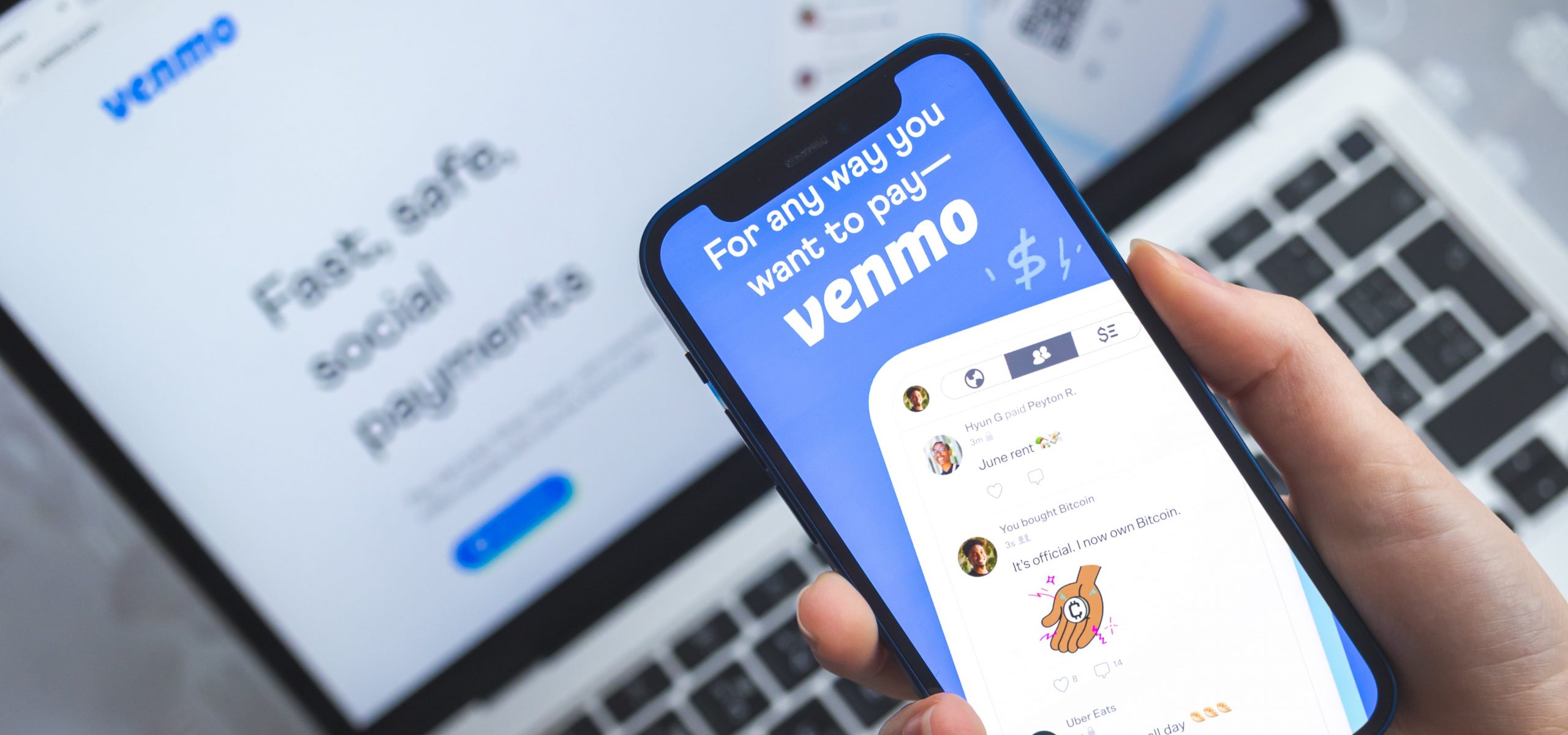
Venmo offers several features beyond peer-to-peer transfers:
Venmo is designed for ease of use. Its mobile-first design, intuitive interface, and social features make casual payments simple. Businesses can integrate Venmo online, particularly through PayPal, but the platform lacks advanced APIs and developer tools for complex custom integrations.
As a PayPal-owned service, Venmo benefits from strong encryption, regulatory compliance, and security protocols. Users can enable two-factor authentication, and unauthorized transactions are protected under PayPal policies. However, the social feed can lead to privacy oversights if users do not adjust visibility settings.
Venmo is only available in the United States. Unlike Payoneer or PayPal, it does not support international payments. This is suitable for U.S.-focused businesses but limits its use for global merchants.
Venmo support is available through a help center, email, and in-app messaging. Phone support is limited, and response times can vary. While sufficient for most consumer issues, businesses may find the support less comprehensive compared to enterprise-focused processors.
Compared to Cash App, Venmo has stronger branding and social features, but Cash App offers broader investment tools. Versus PayPal, Venmo is more social but lacks PayPal’s international reach and merchant trust. Apple Pay and Google Pay provide wider retail acceptance, but Venmo’s debit and credit cards help close that gap.
Venmo has evolved from a casual P2P app into a versatile financial tool with debit and credit cards, instant transfers, and business profiles. While limited to the U.S. and with some privacy considerations, it is ideal for U.S.-based freelancers, small businesses, and users who value social payment features. For global reach or advanced merchant tools, other platforms may be more suitable.